
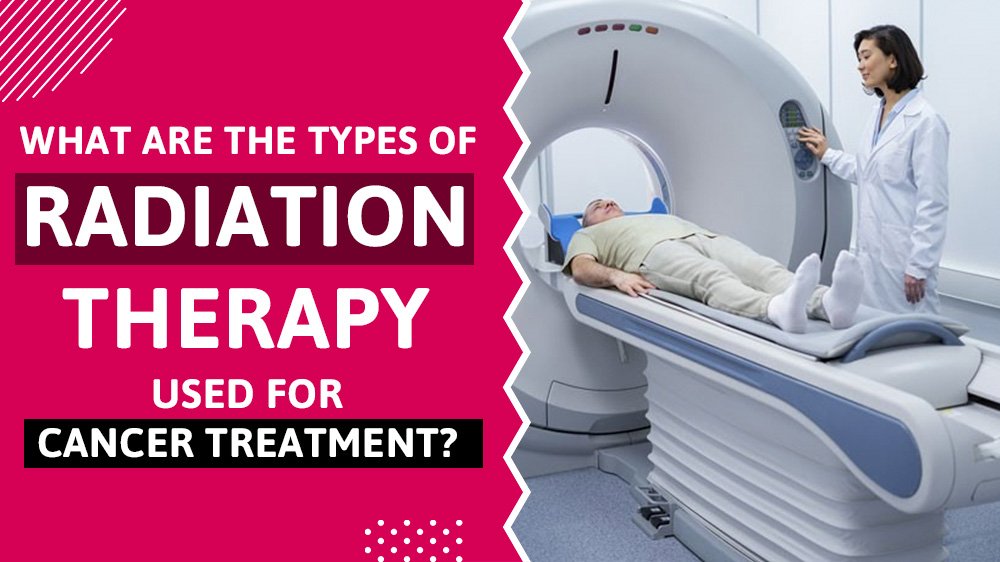
Radiation therapy stands as the recommended treatment for cancer patients according to medical guidelines, most people lack knowledge about its details and its different treatment options.
Radiation therapy functions as a common medical procedure that uses high-energy rays to eliminate cancer cells and reduce tumor size. Modern medical technology provides various radiation therapy methods that treat different types of cancer while meeting the specific needs of patients.
The correct treatment selection serves two purposes, which include achieving successful outcomes and reducing treatment-related adverse effects. The blog will provide an explanation of radiation therapy together with its various treatment options and their mechanisms, and the process through which doctors select the most appropriate treatment.
What is Radiation Therapy?
Radiation therapy is a cancer treatment that uses high-energy radiation, such as X-rays, protons, or other particles, to destroy cancer cells. The treatment works by destroying cancer cell DNA which stops their growth and division process.
The treatment options available for patients depend on their medical conditions. The treatment might start as the primary method of care and then be used before surgery to decrease tumor size or after surgery to remove lingering cancer cells. Advanced cancer patients can use this treatment as a way to manage their symptoms.
Radiation therapy treats various types of cancer which include breast cancer, lung cancer, prostate cancer, head and neck cancers, and multiple other cancers. The medical team selects the appropriate radiation therapy method based on factors such as tumor location, size and tumor type.
Main Types of Radiation Therapy
Medical professionals use two primary types of radiation therapy to treat patients through different radiation delivery methods.
External Beam Radiation Therapy (EBRT)
Radiation therapy uses external-beam radiation treatment as its most common radiation therapy method. This technique uses an external device to deliver radiation which targets the tumor with exact precision.
The procedure requires no physical intrusion and causes no discomfort to patients who need only a few minutes for their treatment. The treatment requires multiple sessions which doctors schedule over weeks to achieve successful results because it protects healthy body parts.
Internal Radiation Therapy
Brachytherapy uses a radioactive source that doctors implant either inside or near the tumor site. This method delivers a powerful radiation dose directly to the cancer while minimizing damage to surrounding healthy tissue.
The therapy can be either temporary or permanent depending on the specific treatment approach that doctors select. The medical field utilizes this treatment method for patients who have prostate cancer, cervical cancer or breast cancer.
Advanced Types of External Radiation Therapy
Technological progress has resulted in the creation of various contemporary radiation therapy techniques that enhance treatment accuracy and minimize harmful effects.
Intensity-Modulated Radiation Therapy (IMRT)
IMRT is an advanced radiation therapy system that uses computer systems to control the radiation beam strength for treatment purposes. The treatment allows physicians to deliver radiation according to the tumor's precise dimensions which helps to protect healthy tissues from unnecessary exposure.
Stereotactic Body Radiation Therapy (SBRT)
SBRT provides precise delivery of high radiation doses through fewer required treatment sessions. The procedure works best for small tumors located in the lungs and liver and spine areas. SBRT maintains treatment effectiveness while delivering accurate results which allows for shorter treatment times.
Proton Therapy
Proton therapy represents a sophisticated radiation treatment method that utilizes proton beams for treatment instead of conventional X-ray technology. The treatment method of proton therapy provides direct tumor radiation delivery which results in minimal radiation exposure to surrounding healthy tissue.
The treatment method shows its maximum efficiency when applied to tumors located near essential body parts and for patients who are younger than 18 years.
Image-Guided Radiation Therapy
IGRT uses imaging techniques, such as CT scans or X-rays, during treatment to ensure accurate radiation delivery. The system enables real-time tracking of tumors which lets doctors improve treatment precision because tumors shift during respiratory and physical movements.
MR-Linac Radiation Therapy
MR-Linac represents one of the most modern developments in radiation therapy. The system combines MRI imaging with radiation delivery which enables doctors to monitor tumor progress during treatment and make real-time treatment changes.
The system enables doctors to track patient progress in real time which results in better treatment accuracy and better protection of healthy tissue.
Benefits of Radiation Therapy
Radiation therapy provides multiple essential advantages for cancer treatment. Advanced techniques enable treatment to precisely target and eliminate cancer cells while maximizing protection for healthy tissues.
The treatment functions as a standalone option that can be combined with other therapies to treat various cancer types. Patients with advanced cancer can use radiation therapy to manage their symptoms which include pain and bleeding, thus achieving better comfort and improved quality of life.
Technological progress has enhanced radiation therapy to deliver better treatment results while minimizing side effects through improved accuracy.
Possible Side Effects of Radiation Therapy
Like any cancer treatment, radiation therapy may cause certain side effects. The side effects of the procedure depend on two factors which include the specific area being treated and the type of radiation employed.
The treatment produces common side effects which include fatigue and skin irritation together with mild discomfort at the site of treatment. Some patients may also experience changes in appetite or temporary weakness.
The majority of side effects that patients experience can be controlled and their symptoms will decrease after they finish their treatment. The doctors implement strict procedures to protect patients from treatment-related risks while they undergo medical procedures.
When should you consult an Oncologist?
You should seek an oncologist's expertise if you received a cancer diagnosis or your doctor recommended radiation therapy for your treatment. The need for expert advice becomes necessary when people experience symptoms that include unexplained lumps, persistent pain, abnormal bleeding and unexplained weight loss.
Patients who need a second opinion regarding cancer treatment options should also consult a specialist. The early consultation process assists in choosing suitable treatment methods that result in better patient outcomes and reduced adverse effects.
Conclusion
Human beings use radiation therapy as a primary method to treat cancer because it helps fight multiple cancer types which medical professionals can treat through this method. The medical field has achieved its highest level of precision and efficiency through the development of multiple treatment options which include modern methods like IMRT, SBRT and proton therapy.
The selection process for radiation therapy requires multiple elements to be assessed which include both the cancer classification and its progress stage to guarantee that each individual receives customized treatment.
Dr. Pooja Babbar, the best oncologist in Gurgaon, provides personalized cancer treatment and expert advice for your specific requirements.


