
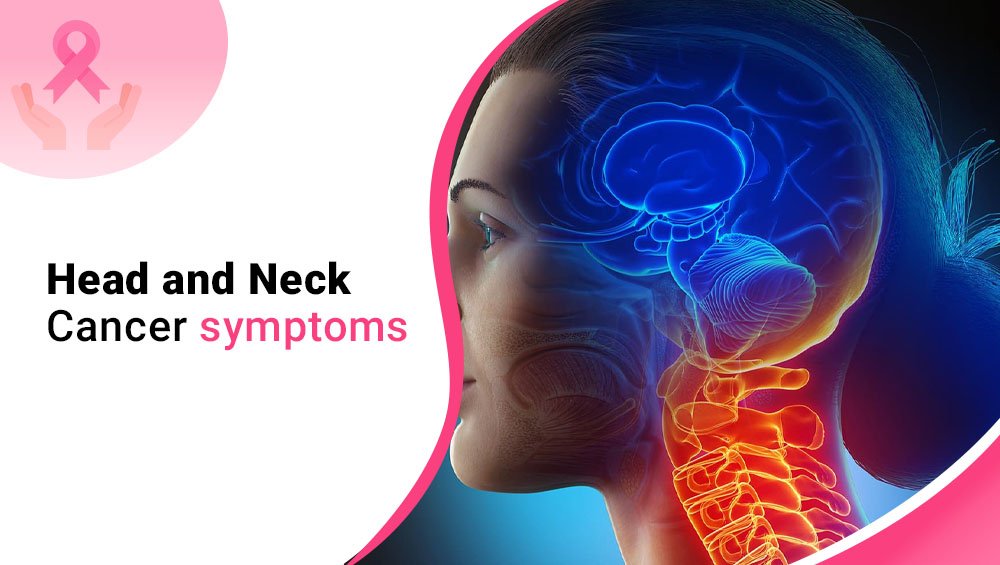
Evidence of neck and head cancer can sometimes be easy to miss since any signs may first develop as minor symptoms, like a bump under the neck, pain under the neck, or pain for which there is no reason.
Nevertheless, people experience the symptoms over time without seeking medical attention. People try to self-diagnose due to a lack of medical attention to the neck problems experienced.
Awareness of the early symptoms of head and neck cancer ensures timely treatment from the best cancer specialists, which may increase the chances of recovery from the condition.
What is Head and Neck Cancer?
These types of cancers stem from squamous cells that are located in the moist, inner surfaces of these areas most of the time. Cancers that impact the area of the body that includes the mouth, throat, voice box, nose, sinuses and salivary glands are called head and neck cancers.
Common risk factors include:
- Use of tobacco
- Alcohol use disorder
- Contracting Human Papillomavirus HPV infection
- Hazardous oral hygiene
- Continuing unprotected sun exposure
- History of cancer in the family
Both men and women can get these types of cancers, and HPV-related cancers are causing these types of cancers to become more prevalent in younger individuals.
Early Neck Cancer Symptoms You Should Watch For
Identifying cancer earlier can result in higher success rates for treatment.
1. Persistent Lump in the Neck
Head and neck cancer develops through its most common initial symptoms which include a painless neck lump that creates a visible swelling. The condition appears as enlarged lymph nodes which stem from an underlying cancerous tumor. Medical professionals should assess any permanent hard lump which develops into a larger size after two weeks of existence.
2. Non-Healing Mouth Ulcer
A mouth ulcer that does not heal within two to three weeks can be an early sign of oral cancer. The condition may present itself as a red patch or a white patch or a sore which exhibits easy bleeding. People should always treat oral lesions that persist for a long time as medical emergencies.
3. Persistent Sore Throat
A throat infection requires treatment after three weeks because the sore throat continues. The discomfort may not improve with routine medications. The presence of persistent throat irritation requires medical evaluation because it may indicate throat cancer.
4. Difficulty Swallowing (Dysphagia)
The development of throat or esophageal problems becomes evident through progressive swallowing difficulties which affect both food and liquids. Patients often describe a sensation of food getting stuck. Pain while swallowing requires complete medical assessment.
5. Change in Voice or Hoarseness
Hoarseness that continues beyond two to three weeks requires medical assessment to determine whether the voice box has been affected. The voice develops weakness which results in a rough and breathy sound. Voice changes that persist need to be evaluated by a medical expert.
6. Persistent Ear Pain
Unexplained ear pain which affects only one side of the head can indicate underlying throat or tonsil cancer. The condition can manifest itself through ear discomfort which occurs despite normal ear conditions. People should treat persistent ear pain which does not result from ear infections as an important medical issue.
7. Nasal Blockage or Nosebleeds
Cancers which develop in the nasal cavity and sinus areas produce continuous nasal blockage. The body experiences uncontrolled nosebleeds which happen without any known source as a dangerous medical indicator. The affected person will experience facial pressure and facial swelling together with these medical conditions.
8. Unexplained Weight Loss
Unexplained weight loss which happens without any dietary or physical activity changes may signify serious medical issues. The condition occurs because people with cancer face challenges when they try to eat their food. Medical professionals need to conduct tests for all cases of unexplained weight loss.
9. Breathing Difficulty
People with advanced tumors experience partial airway obstruction which leads to breathing difficulties. The patients will produce loud breathing sounds while they feel like they cannot breathe properly. Emergency medical assistance is required for patients who experience breathing difficulties.
10. Facial Numbness or Swelling
Cancer progression into nearby nerves or bones results in facial numbness. The condition manifests through jaw swelling and teeth loosening which happen without any dental explanation. The symptoms demonstrate that the body has extended into deeper tissue areas.
Is a Lump on My Neck a Sign of Cancer?
Most people fear the possibility of a serious condition, especially when they lump the neck. Although infections are the main cause of swollen lymph nodes in the neck, some characteristics increase the possibility of cancer.
Red flag signs include:
- Hard and fixed lumps
- Painless but progressively enlarging swelling
- Present for more than two weeks
- Associated Weight Loss
- Difficulty Swallowing and Voice Changes
If the above neck lump cancer symptoms are present, medical attention should be sought immediately.
Who is at Higher Risk?
Some people are more likely to get head and neck cancers. High-risk groups include:
- people who use tobacco
- people who drink alcohol heavily
- people who have HPV
- people over 40 (younger people can also get head and neck cancers)
- people who have a family history of cancer
Symptoms should always be taken seriously, even if risk factors are not apparent.
When Should You See a Cancer Specialist?
You should consult a doctor if:
- Your symptoms persist for more than two weeks
- You have neck pain that does not improve
- A neck lump continues to grow in size
- You experience unexplained weight loss
- You notice voice changes or difficulty swallowing
Early medical evaluation and timely cancer screening are extremely important. Detecting head and neck cancer at an early stage significantly improves treatment success and overall outcomes.
If you are experiencing any of these symptoms, it is advisable to seek expert consultation. Dr. Pooja Babbar, best medical oncologist in Gurgaon, offers advanced cancer screening and comprehensive treatment for head and neck cancer in Gurgaon, with a strong focus on early diagnosis, personalized care, and evidence-based treatment planning.
How Are Head and Neck Cancers Diagnosed?
Diagnosis usually includes:
-
Examination and review of the patient's medical history
-
Endoscopic examination of the throat
-
Different imaging procedures like CT, MRI and PET
-
To identify the presence of cancerous cells, a biopsy is needed.
Biopsy is the most conclusive method for diagnosis.
Why Early Detection Improves Survival Rates
Cancers in the head and neck region are easier to treat in the initial stages.
Positive aspects of detecting cancer early are:
-
Improvement in the chance of the cancer going away
-
Less severe treatments
-
Ability to preserve speech and swallowing
-
Fewer complications from treatment
-
Improvement in quality of life.
When medical treatment is initiated early, the chance of recovering successfully becomes great.
Conclusion
Cancers in the head and neck region often display initial symptoms that can be easily missed. Changes in your voice, difficulty swallowing, and a neck lump that isn't cancer should not be dismissed.
The earlier a professional assessment is made, the better the chances are for a positive prognosis and survival. If there are symptoms that are worrisome for neck cancers in your family, then immediate evaluation is a must.
The cancer specialist in Gurgaon, Dr. Pooja Babbar, offers personalized evaluations in detail and superior-level treatments for head and neck cancers. Delaying treatment can be fatal. Take expert advice without delay.


