
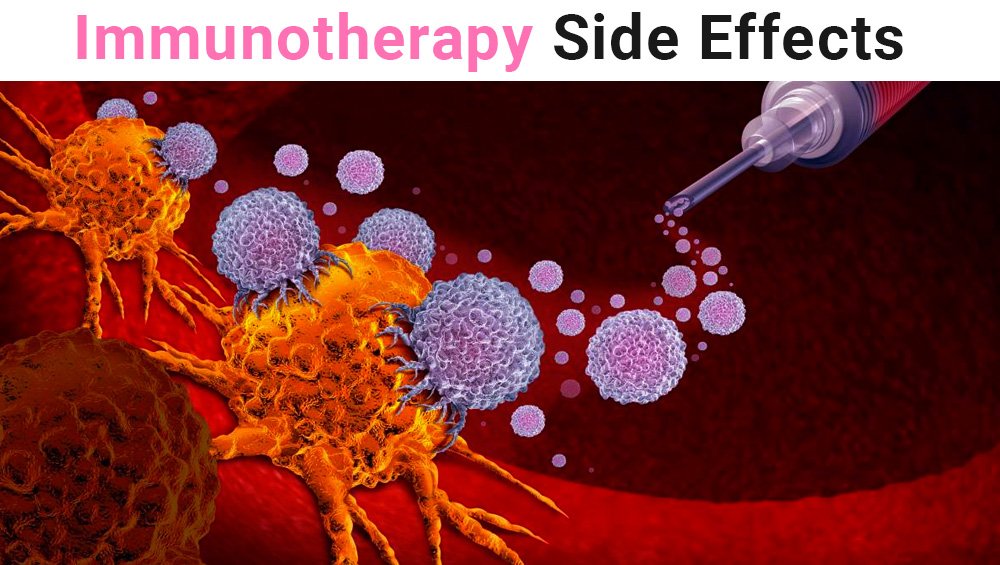
In the last few decades, the use of immunotherapy has become known as a more effective treatment against cancer. In contrast to radiation and chemotherapy, which attack cancerous cells directly, when you undergo immunotherapy, the immune system is activated and can recognize the presence of cancer and combat it. While this strategy can result in impressive results, it may also result in negative effects that must be taken very seriously.
If you experience unusual symptoms or side effects after immunotherapy treatment, you must consult your doctor immediately. If not addressed, minor symptoms may turn into serious ones.
If you're receiving treatment for the reason that you need to have an improved immune system, it is important to be aware of the implications of this therapy, including the possibility of this treatment causing allergic reactions. Sometimes, the cells that fight to create the inflammation, which is an immune response, will attack healthy cells, as and cancerous ones. You must be aware of the adverse consequences, as this will make sure you're always on guard until you are required to seek help. This will make the treatment as secure as it can be, yet allow it to function according to the way you would expect.
What Are the Most Common Immunotherapy Side Effects?
The most frequent adverse effects of immunotherapy typically manifest on the skin. A lot of people experience redness, itching, or rashes that are more noticeable in the areas of the area where the injection or infusion was administered. The reactions are usually moderate, but they can cause some irritation or discomfort.
Other side effects commonly encountered in immunotherapy are:
- Gastrointestinal issues: Diarrhoea, abdominal pain, or colitis.
- The symptoms of flu include fatigue, chills, fever, and muscle pains.
- Coughing, or breathlessness.
- Endocrine disorders occur because the glands that produce hormones, including the adrenal glands or thyroid, aren't functioning properly. This can cause issues that cause fatigue constantly or sudden weight fluctuations, or mood changes.
Other side effects reported according to the FDA they have reported include constipation, arthritis, a decrease in appetite, nausea, headache, vomiting, and pain in the injection site. While they are usually minor, however, it is important to monitor how long they last as well as the severity they can become.
Side Effects for Immunotherapy vs. Other Cancer Treatments
The most frequently asked question for patients is "Do side effects mean immunotherapy is working?" Sometimes, these side effects suggest that the immune system is working and engaged in the process. However, they're not a reliable indicator of whether the treatment is effective. Certain patients have a robust reaction and an excellent response to treatment, whereas others might have a few or no adverse effects, but they also receive a great deal of benefits from treatment.
Regarding the length of time these reactions will last, it's all dependent on the person. Some, like infusion reactions, may occur right after treatment, but most develop weeks, even months, later. This is all dependent on the medicine you're taking along with your general health condition and how your immune system responds. Always consult your physician for any unusual or unexpected symptoms.
Side Effects Specific to Different Types of Immunotherapies
Every type of immunotherapy is different and so are the negative consequences.
1. Immune Checkpoint Inhibitors
The drugs remove "brakes" from your immune system and allow the system to combat cancer more effectively. But, this can lead to the skin becoming itchy and irritated, as well as vitiligo and diarrhea or colitis, liver inflammation, as well as thyroid issues.
2. Monoclonal Antibodies
The proteins that are produced in the laboratory and targeted by specific cancer-related markers. Common side effects that are associated with monoclonal antibody-based immunotherapy are chills, fever and lower blood pressure and skin irritations, and, occasionally, heart or digestive issues.
3. CAR T-Cell Therapy
This is a more advanced type of immunotherapy, wherein the patient's T-cells are altered in order to combat cancer. Its adverse effects are distinctive and could include:
- CRS or Cytokine Release Syndrome is defined by high fever, low blood pressure, and breathing problems.
- Neurological problems: Confusion, headache, or seizures
- B-cell aplasia and infections may make it more likely for you to develop an infection.
They are extremely effective, but they require being monitored closely by doctors who have experience.
What Are the Severe Side Effects of Immunotherapy?
The majority of the side effects associated with treatments for immunotherapy are treatable. However, should they not be treated, certain reactions can be serious. The most serious reactions usually occur due to widespread inflammation, often known as "-itis" conditions, including:
- Myocarditis or heart inflammation
- Pneumonitis-worked-up or lung inflammation
- Hepatitis or liver inflammation
There are some people who experience less frequent brain or nerve issues like encephalitis or meningitis. In certain instances, the immune system could create conditions, such as Type 1 arthritis or severe diabetes. If you've experienced chest pain, fatigue, or shortness of breath, or feeling confused, it is recommended to visit your doctor immediately.
How Are Immunotherapy Side Effects Treated or Managed?
Early recognition is essential for minimizing the negative effects of immunotherapy successfully. Doctors frequently advise:
- Rapid reporting of symptoms, even for minor problems, should be reported.
- Immunosuppressive medicines, such as corticosteroids, are prescribed in order to reduce the stress on the immune system.
- Regularly testing organs for signs of inflammation.
- Permanent or temporary stoppage of immunotherapy in the event of serious adverse consequences.
Real Patient Experiences
A large number of patients have said that having a strategy for their treatment helped them get through the procedure with less anxiety. The act of listening to or reading about the experiences of real patients can be a source of relief and practical guidance. Support groups and cancer organizations are encouraging the sharing of these stories in order to encourage others not to feel at a loss. Forums or groups are also locations where patients can learn from other patients how they deal with similar reactions to immunotherapy.
Support and Research in Immunotherapy
Many national and global organisations continue to fund research into immunotherapy in order to make treatments more secure and more efficient. They also offer education for patients, and also resources, in addition to family support in order to deal with side effects and issues in treatment. These programs aid in the progression of cancer treatments and provide hope for many patients.
Conclusion
The immunotherapy treatment has opened up new ways of treating cancer and has provided alternative treatments previously unavailable. Although it's a powerful treatment, knowing and avoiding its negative consequences is equally important. Constantly checking in with your physician and promptly announcing any new or unusual signs can prevent complications and make the treatment more effective.
When you're beginning or are already undergoing immunotherapy, you require the appropriate guidance during it. The doctor, Dr. Pooja Babbar, one of the best medical oncologists in Gurgaon and having more than 15 years experience, offers the highest quality, personal attention that aids patients in this advanced treatment in a secure manner. Her caring manner ensures each patient receives the most successful medical treatment and emotional support throughout cancer treatment.
FAQs for Immunotherapy Side Effects
1. How long before side effects start to show?
Certain signs could be evident shortly after treatment, while other signs may appear several months or years after the treatment.
2. What should I be looking for?
Check for symptoms of the skin, such as fever, cough, or stomach problems. Inform us of any unusual symptoms.
3. Are side effects a sign that it's working?
The signs of the effectiveness of immunotherapy vary from patient to the next, while some patients experience no adverse side effects.
4. How long will side effects last?
The minor changes usually disappear within a couple of days, or even weeks; however, certain hormonal changes, like instance, can last longer.
5. What are their treatment methods?
A majority receive rest, medication, or periodic pauses in treatment, together with medical guidance.


