
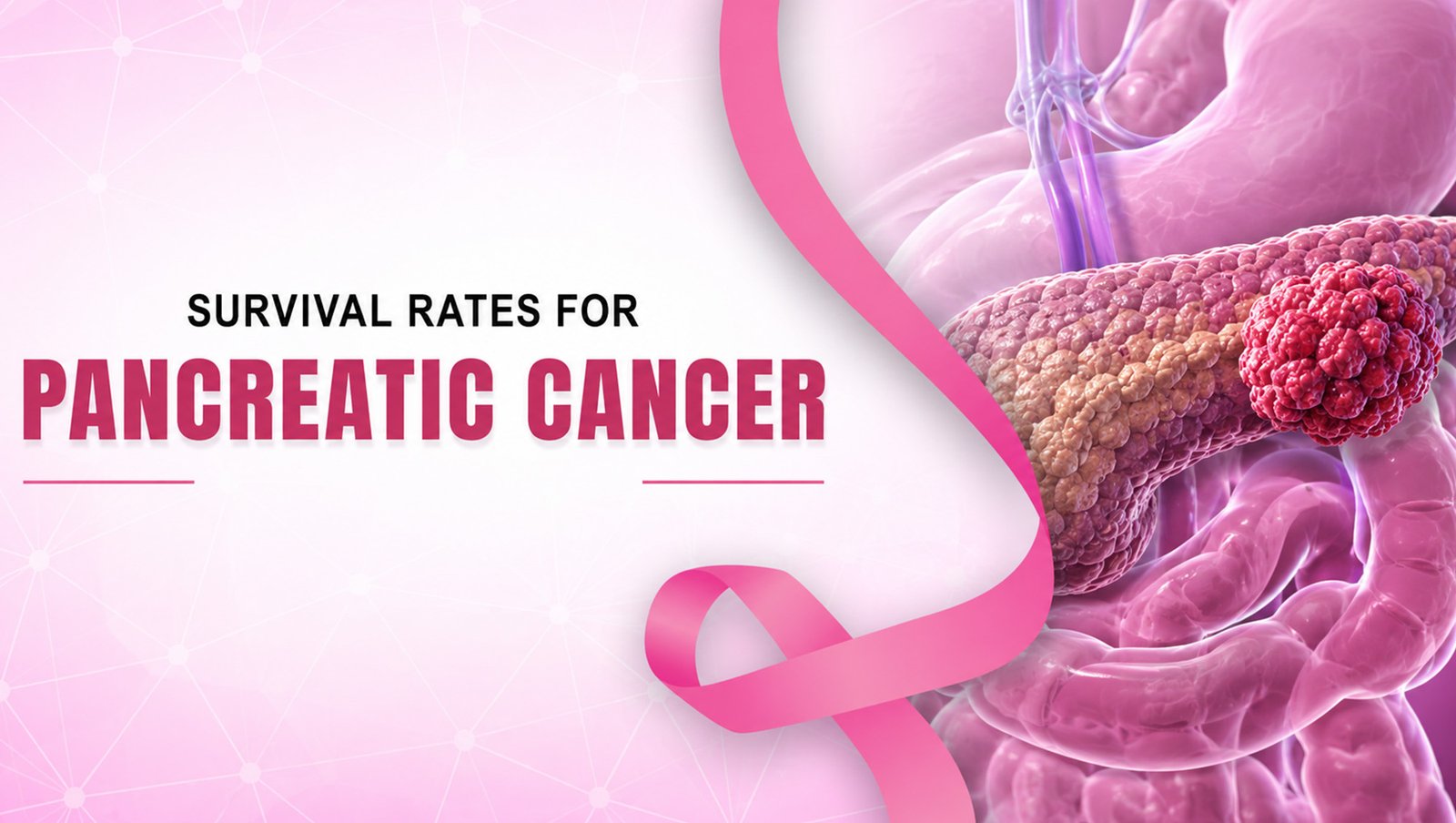
A diagnosis of pancreatic cancer often raises many questions, especially about survival and treatment outcomes. One of the most common concerns among patients and their families is, "What is the pancreatic cancer survival rate?" While survival statistics provide a general understanding of the disease, they do not predict an individual person's outcome. Survival depends on several factors, including the stage of the cancer, overall health, and how well the cancer responds to treatment.
In this blog, we will explain the pancreatic cancer survival rate, how survival varies by stage, the factors that influence prognosis, and why early diagnosis and timely treatment can help improve outcomes.
What is Pancreatic Cancer?
Pancreatic Cancer develops in the pancreas, an organ behind your stomach that assists in regulating blood sugar and digesting food.
Diagnosing Pancreatic Cancer is difficult due to there usually being no early-stage symptoms. This causes a high chance that the disease will spread outside of the pancreas by the time that it is diagnosed.
But the developments in different treatment options in recent years have made a drastic change in the positive outcomes of patients with Pancreatic Cancer.
What is the Survival Rate of Pancreatic Cancer?
Discussing pancreatic cancer survival rates requires understanding survival statistics and what they represent.
Understanding Survival Rates
Survival rates provide an estimate based on the historical outcomes of other patients with the same type of cancer. These estimates help doctors understand treatment outcomes and identify patterns, but they cannot predict what will happen to any individual patient.
A variety of variables can affect the outlook of a particular patient, such as age, health, stage of cancer, and the availability of treatment.
What is the Survival Rate of Pancreatic Cancer?
When diagnosed with pancreatic cancer, one’s stage has a large impact on one’s survival and the success of treatment. Generally, treatment outcomes are more favorable the earlier the cancer is diagnosed.
Stage tumors that are more advanced and spread outside the pancreas may leave few options for treatment.
Achieving more favorable outcomes is why much of the focus in healthcare is placed on the early diagnosis and treatment of cancer.
Pancreatic Cancer Survival Rates by Stage
One of the most critical cancer prognosis factors is the stage of cancer.
Survival Rate of Stage 1 Pancreatic Cancer
The Stage 1 pancreatic cancer survival rate is more promising than the later stages due to the cancer being localized to the pancreas and having yet to metastasize to distant organs.
The possibility of surgery exists at this stage, which is usually followed up with chemotherapy. Controlling cancer in the early stage is the best way to improve the chances of survival in the long term.
Stage 2 Pancreatic Cancer
In Stage 2, the cancer has the potential to spread beyond the pancreas and to the lymph nodes that are in proximity. For this reason, a standard treatment program is surgery, chemotherapy, and possibly radiation therapy.
Stage 3 Pancreatic Cancer
When it comes to stage 3 pancreatic cancer, the cancer is spreading to adjacent blood vessels and structures and might make surgical intervention more difficult. Chemotherapy, radiation, and other modalities are individualized in treatment.
Stage 4 Pancreatic Cancer
Stage 4 Cancer is advanced cancer that is also in the lungs and the liver. Treatments are limited and focused on controlling the disease and improving the quality of life of the patients; the focused advancements in therapy are starting to help patients to live longer.
Survival rates for pancreatic cancer are typically low and start to diminish due to the disease advancing; this reinforces the necessity of early diagnosis.
What Factors Affect the Survival Rate of Pancreatic Cancer?
The prognosis for those diagnosed with pancreatic cancer is dependent on a myriad of factors.
Stage of Diagnosis
The success of the treatment of pancreatic cancer is higher the earlier the diagnosis is made.
Ability to Undergo Surgery
When a tumor is removable, pancreatic cancer is best treated by the most effective treatment option, which is surgery.
Characteristics of the Tumor
Treatment success may be impacted by the size, location, and tumor biology.
Overall Health of Patient
Healthy patients may better tolerate other treatment options and surgery.
Treatment Success
The response of each patient to treatment is not the same. Some cancers may respond well to treatment and others may need a combination of treatments.
Why Early Detection Matters
One of the major reasons why pancreatic cancer is termed the silent killer is because there will be no noticeable signs until such a time as the cancer has developed to a certain degree.
Some of the warning signs that one should watch out for include:
- Skin/eye yellowing (jaundice)
- Weight loss
- Stomach pain
- Back pain
- Decreased appetite
- Indigestion
- Diabetes in some patients
How is Pancreatic Cancer Treated?
The choice of treatment will depend on how far the cancer has spread, along with many other factors.
Surgery
Surgery can be recommended when the cancer is localized within the pancreas and is operable.
Chemotherapy
This treatment involves the use of drugs to fight cancer cells and can be used both before and after surgery.
Radiation Therapy
This technique utilizes beams of radiation energy that are aimed at the cancerous cells.
Targeted Therapy
This involves targeting certain molecular or genetic components within the cancerous cells.
Immunotherapy
Although immunotherapy is not suitable for all patients, there are some cases where it may prove effective.
Can Survival Rates Improve?
Yes. Pancreatic cancer was traditionally hard to treat. However, the outcome for patients with pancreatic cancer has been improving with the advancement in treatment.
With new tools and technologies available to clinicians, patients are receiving better and more personalized treatment options. Researchers are currently assessing therapies to increase pancreatic cancer survival rates.
Survival rates are a reflection of the treatment options available. The survival rates will continue to improve with the advancement of treatment options.
Conclusion
Pancreatic cancer diagnoses raise many questions about the survival rate. While survival rates offer some insight, they can be misleading.
Survival rates can vary due to many factors for any individual case of pancreatic cancer including the disease's stage, treatment effectiveness, and the individual's health status. Stage 1 pancreatic cancer survival rates are better as the disease may be more effectively treated because it was diagnosed sooner. Survival rates also get better with modern advancements in surgery and chemotherapy.
Consult Dr. Pooja Babbar, the best oncologist in Gurgaon, for her expert opinion and treatment options if you or someone you know has been diagnosed with pancreatic cancer.


