
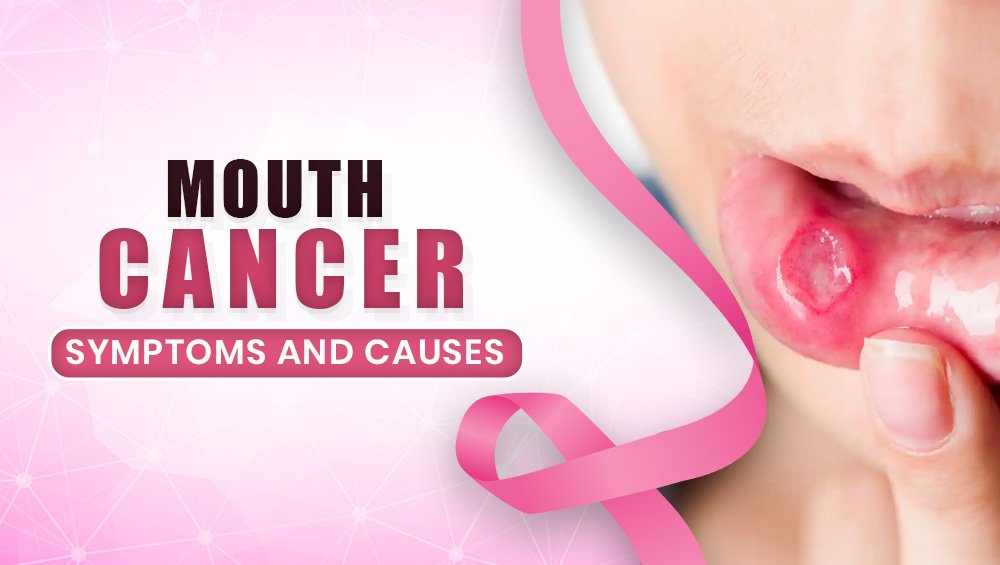
Mouth cancer is harmful and can invade various oral structures like the lips, tongue, gums, inner cheeks, and the floor and roof of the mouth. Commonly referred to as oral cancer, it can start as a small generally painless sore or ulcer.
The signs and symptoms of cancer often go unnoticed and many cases are diagnosed at a late or advanced stage. With early detection and reporting of such cancer sores, cancer treatment becomes more effective, and cancer remains manageable with a higher survival rate.
Being aware of symptoms and at-risk factors of mouth cancer becomes essential for the quick detection and treatment of mouth cancer.
Through this blog, we will try to comprehend what mouth cancer is, the symptoms, the causes of oral cancer, and the decisive moment when one should check with a doctor.
What is Mouth Cancer?
When cancers start to grow and multiply out of control in your mouth, they are usually called "mouth cancers" or "oral cancers". They commonly develop in your:
- Lips
- Tongue
- Gums
- Lining inside cheeks
- The top or bottom part of your mouth
A lot of oral cancers start in squamous cells that are inside the mouth and the cancer can spread quickly to nearby spots and to the lymph nodes that are in the neck if you don't treat the cancer.
Mouth Cancer Symptoms
Cancer in the mouth is serious and being proactive about detection can make a huge difference. If someone is diagnosed with mouth cancer then the circumstances surrounding healing can change quite drastically. There are many symptoms and almost all of them are hiding in plain sight.
Common signs of mouth cancer are as follows:
- Mouth sores that do not heal
- White or red patches inside the mouth
- Lump or thickening in the cheek
- Pain or numbness in the mouth
- Difficulty Chewing or swallowing
- A persistent Sore throat
- Ear Pain
- Swelling in the jaw or neck
- Difficulty moving the tongue or jaw
Many of these can be confused with standard dental issues. Painful abnormal growths or sores should be seen by a doctor as soon as possible.
What Causes Mouth Cancer?
While something may be a cause of something other than a genetic mutation, environmental factors can increase your risk of something a ton.
Mouth cancer is caused partially by a mutation in your oral cells.
Tobacco Use
Using smoke in any form (cigarettes, cigars, pipes or chewing tobacco) is a big risk factor for any form of oral cancer.
Alcohol Consumption
Booze can increase your risk of mouth cancer, especially when used in conjunction with tobacco.
HPV
HPV can be linked to some forms of oral cancer.
Poor Oral Hygiene
Cancer can be caused by your oral cancer by dental abnormalities, chronic irritation, or some form of neglect in dental care along with poor oral hygiene.
Excessive Sun Exposure
Your lips can burn for a long time and risk increasing lip cancer.
Unhealthy Diet
Cancer can be caused by poor fruit and vegetable consumption.
Signs of Oral Cancer That Should Not Be Ignored
Signs of oral cancer can seem harmless in the early stages, which is why some people ignore them. You should not be one of those people.
Chronic Sores in the Mouth
If a sore or an ulcer does not heal within two weeks, you should go see a doctor.
Patches of Discoloration
Patches of your skin that are a different color can become cancerous lesions.
Increased Dysphagia
Pain or issues that arise while swallowing can indicate that cancer is developing.
Neck Lump
If cancer has progressed, that cancer has shocked your lymph nodes or you suddenly have a lump on your neck, visit a doctor immediately.
Who is at Higher Risk of Oral Cancer?
Those who fall under the following categories may have a greater risk of developing mouth cancer:
- Use of tobacco products
- Consumption of alcohol
- Age of 40+
- Infection with the HPV virus
- Poor oral hygiene
- Family history of cancer
Men tend to be affected more than women.
How is Mouth Cancer Diagnosed?
Doctors use multiple tests to achieve an accurate diagnosis of oral cancer through the following tests:
- Physical oral examination
- Biopsy
- CT scan or MRI
- PET scan
- Endoscopy
Doctors can start treatment when they diagnose cancer at an early stage which helps control its growth.
Treatment Options for Mouth Cancer
The cancer treatment approach depends on both the cancer's stage and its specific location. The medical field provides five standard treatment choices which include:
- Surgery
- Radiation therapy
- Chemotherapy
- Targeted therapy
- Immunotherapy
Patients typically need multiple treatment methods because this approach leads to better treatment results.
Why Early Detection Matters
Doctors can successfully treat early-stage mouth cancer for most patients. When a cancer diagnosis occurs at a later time, it enables the disease to progress which results in more difficult treatment procedures. Dental checkups that occur regularly together with knowledge about oral cancer symptoms enable early detection of unusual changes in the mouth. People need to visit a doctor when they experience ongoing mouth sores, patches, and pain and swelling.
Why Choose Dr. Pooja Babbar for Oral Cancer Treatment?
Choosing the right cancer specialist is crucial for achieving the best possible treatment outcomes. Dr. Pooja Babbar, recognized as one of the best medical oncologists in Gurgaon, is known for her patient-centric approach, evidence-based cancer treatments, and compassionate care. She works closely with patients to develop personalized treatment plans based on the type, stage, and overall health condition of each individual.
Key Reasons to Choose Dr. Pooja Babbar:
- Experienced oncology specialist with expertise in oral cancer management
- Personalized treatment plans tailored to individual patient needs
- Advanced and evidence-based cancer care
- Compassionate, patient-focused support throughout treatment
- Comprehensive guidance from diagnosis to recovery
- Focus on improving both treatment outcomes and quality of life
Conclusion
Mouth cancer, also called oral cancer, can attack many different parts of the mouth. Oral cancer can show itself as sores or patches that can go unnoticed because they are not painful. If you can identify the patches in the early stages, the chances of recovery can greatly increase.
There are many causes of oral cancer, but some of the major ones are related to tobacco, alcohol, poor oral hygiene or hygiene in general, and also HPV. As with most conditions, the earlier mouth cancer is diagnosed, the sooner the treatment can start and improve recovery chances.
If you start to recognize any of these signs that may be mouth cancer, you should consider meeting with Dr. Pooja Babbar to get examined for an expert diagnosis and for her personalized care for the cancer.


