
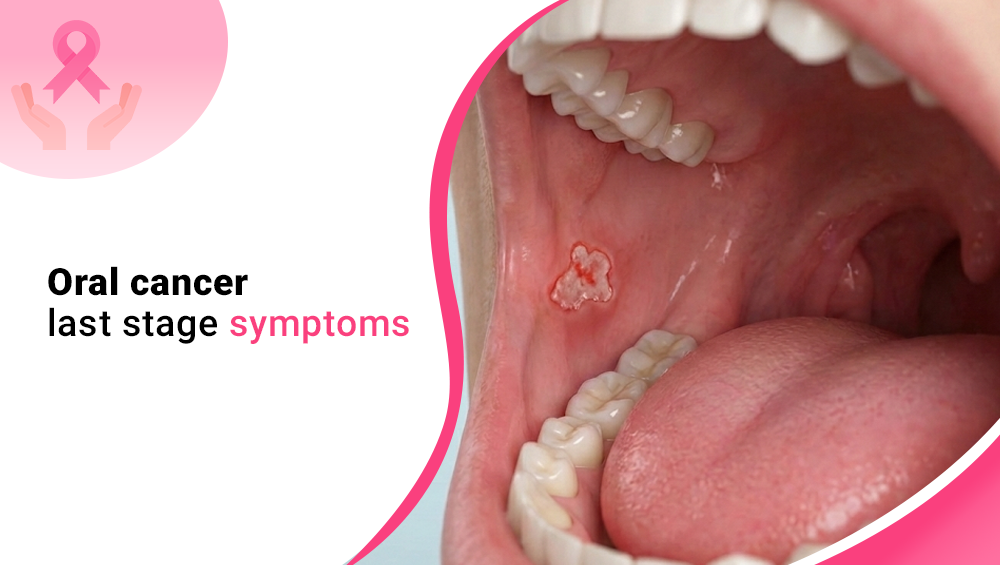
Finding out that you have oral cancer is a confusing and stressful experience that raises a lot of questions. When the cancer is in the late stages of development, patients and their families often have a difficult time understanding what is to come.
The final stages of oral cancer involve several different symptoms that can impact the ability to talk, eat, and even breathe. It also affects a person’s emotional state and can lower their overall quality of life. This blog looks at the final stages of oral cancer and the impact it can have on a person’s body. We will also discuss why it’s important to receive specialised care at this time.
Having this knowledge can assist patients and their caretakers to prepare for and navigate the final stages of cancer and provide peace of mind to help them locate an appropriate specialist.
What Is the Last Stage of Oral Cancer?
Stage IV oral cancer is the final stage that we consider in the cancer metastasis process. By this stage, the cancer has likely spread to the neck’s lymph nodes or possibly to the bones, the lungs and other organs. The cancer could have also spread to other tissues in the head and neck regions that are more distal than the mouth.
Symptom aggravation is certain as the cancer spreads to the tongue, jawbone, or throat. This can complicate everyday activities due to the severity of the changes that come with this. Early management of the symptoms, along with other supportive therapies, becomes even more critical.
What are the Last Stage Symptoms of Oral Cancer?
The last stages of oral cancer come with more severe, more constant, and more extensive symptoms compared to the earlier stages. These symptoms typically do not improve and often worsen over time.
Severe Mouth Pain and Non-Healing Ulcers
Pain in the mouth and throat can be extremely serious and persistent. Mouth sores and ulcers can go unhealed for weeks or even longer, and they can bleed easily and frequently. Jarring and constant pain can occur even without an obvious reason, and pain can extend all the way to the ear and jaw.
Difficulty in Swallowing and Speaking
As the tumor in the throat grows, it can become more and more difficult for the patient to swallow, even when it is just a liquid, and pain can make swallowing the liquid extremely difficult. Speech can become unclear or even slurred, making it difficult to communicate. These problems are serious and often become so noticeably severe that they can be a major problem to the patient’s overall health by creating problems with their nutrition.
Uncontrolled Bleeding and Foul Odour
In the later stages of cancer, when advanced tumors begin to break down and decay, they can begin to bleed without any cause. A constant bad smell from the mouth can be caused by an infection or by decaying cancer tissue, which is very common in the last stage.
Loose Teeth and Jaw Bone Involvement
If cancer spreads to the lower jawbone, it can become extremely painful to chew and can cause the teeth to become loose or even to fall out. In extreme cases, the ability to open and close the jaw (to make movements) can also become extremely limited.
Tumour Growth and Facial Swelling
If there are large, visible growths inside the mouth, facial swelling, or lumps in the neck, that indicates further progression of the disease. Swelling in the lymph nodes of the neck usually signals that the cancer has metastasized.
Symptoms of End-Stage Head and Neck Cancer
Head and neck cancers include oral cancers, and at the end stages of head and neck cancers, patients may experience difficulty in breathing because of airway obstruction, constant hoarseness, voice changes, and if there is diffusion of cancer to the lungs, chest infections may arise.
Patients whose cancers have met the end stages may have skeletal-related bone pain due to an extension of the disease to the bone, and the common symptoms at this stage may include long-standing swelling of the neck lymph nodes, unending infections, and an increased reliance on assistive/supportive care.
Is Oral Cancer in the Last Stage Curable?
A lot of people wonder if oral cancer cases with Stage IV cancer are treatable. Most of the time, Stage IV is not treatable, especially when it has metastasized to further parts of the body. However, there is still disease control, symptom relief, and improvement of the patient's quality of life. Treatment is still important and should not be neglected.
Most of the time, the aim of treatment is switched from cure to control of the disease with improvement of the patient's comfort. The focal points of the patient's treatment and improvement of comfort are on the management of pain, support of nutrition, support of breathing, and the emotional aspect. From one patient to the next, treatment is individualized and there is a lot of variability.
Conclusion
Cancer at any stage is emotionally and physically challenging, but stage 4 oral cancer brings its own set of serious difficulties. At this advanced stage, patients may struggle with basic activities such as eating, speaking, or breathing, and pain and discomfort can significantly affect daily life. While stage 4 oral cancer is generally not curable, the focus of treatment shifts toward relieving symptoms, managing pain, and improving overall comfort and quality of life.
Timely palliative care, symptom control, and emotional support play a crucial role not only for the patient but also for their family members. With the right medical guidance, many complications can be managed effectively, allowing patients to live with dignity and better comfort.
For patients seeking compassionate and specialized care, Dr. Pooja Babbar, a best medical oncologist in Gurgaon, offers dedicated support for advanced cancer cases. She provides personalized oral cancer treatment in Gurgaon with a strong focus on pain management, symptom relief, and supportive care, helping patients and families navigate this difficult phase with clarity, empathy, and medical expertise.


