
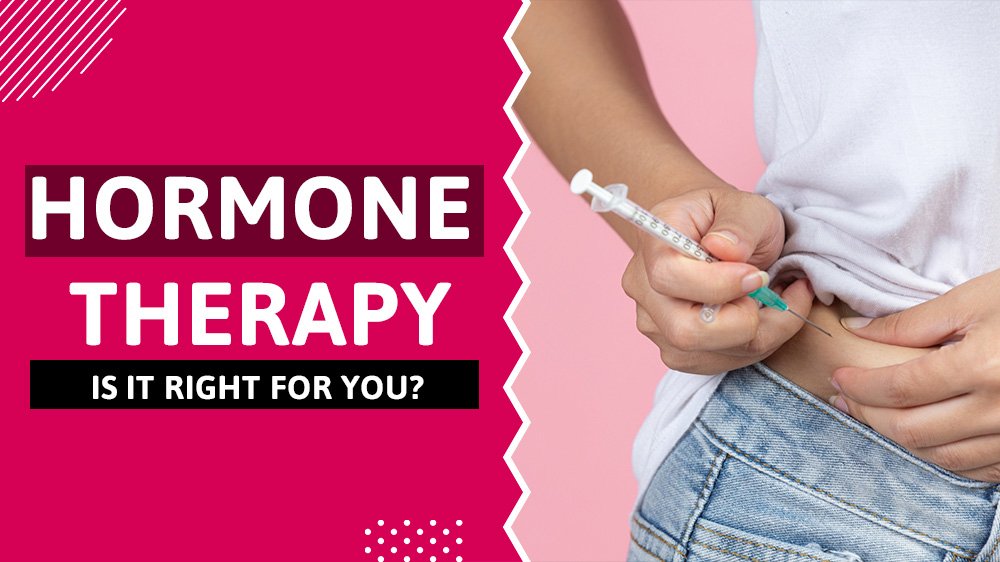
Hormone therapy serves as a common medical treatment but patients experience difficulty in deciding its suitability for their needs. The decision becomes complicated because menopause treatment and breast and prostate cancer treatment both provide advantages and present potential dangers.
The assessment of each patient requires evaluation of their medical condition, age and medical history. Oncology Doctors need to understand hormone therapy mechanisms and their patient eligibility requirements before they can start treating their patients. The blog will explain hormone therapy together with its advantages and disadvantages while guiding you in determining its suitability for your needs.
What is Hormone Therapy?
Hormone therapy is a form of medical treatment that adds, blocks or controls certain hormones in the body. It is used mostly for two things: managing symptoms of menopause and managing certain types of cancer that are hormone-dependent.
During menopause, a woman goes through a lot of changes and one of those changes is the reduction of certain hormones. Hormone therapy can help relieve some symptoms. For cancer treatment, the affected person will receive hormone therapy aimed at blocking or lowering certain hormones that are believed to heighten the development of cancer, especially for breast and prostate cancer.
Depending on the individual, their therapy can be in the form of medication, injections, skin patches, gels, or creams. For the individual affected, the type of therapy varies and is dependent on the issue being addressed.
When is Hormone Therapy Recommended?
Hormone therapy can be suggested for different health imbalances that may be caused by hormonal imbalances.
In women, it is recommended for moderate to severe menopausal symptoms that disrupt their daily routines. Another example is for patients with hormone-sensitive cancers as level regulation is critical to their treatment.
In addition, it may also be suggested for early menopause and for women who are at risk of bone loss and osteoporosis. All of these really depend on a detailed medical assessment.
Benefits of Hormone Therapy
Hormone therapy has many advantages that vary depending on the condition to be treated. The advantages of hormone therapy include:
- Effectively relieves hot flashes and night sweats
- Improves sleep quality and alleviates insomnia
- Helps to control moods and alleviate anxiety and irritability
- Relieves vaginal dryness
- Helps prevent bone loss and reduce the chances of osteoporosis
- Improves the quality of life during menopause
- Slows or stops the growth of cancer that is hormone-sensitive
- Reduces the chances of cancer recurrence
Risks and Side Effects of Hormone Therapy
As is the case with any treatment, hormone therapy is not devoid of certain risks and side effects:
- Breast discomfort or soreness
- Bloating and minor changes in weight
- Headaches or nausea
- Irregular vaginal bleeding in some cases
- Risk of blood clots in some individuals
- The risk of heart problems depends on certain health factors
- Slight risk of breast cancer in the long run
Is Hormone Therapy the Right Choice for You?
Individuals who can take advantage of the benefits of hormone therapy can start this treatment option.
Women suffering from moderate to severe symptoms of menopause that affect their daily life are frequently advised to undergo this treatment. For women who are aged less than 60 years, or within 10 years of menopause, the benefits versus risks are usually more in favor of the benefits.
For patients with cancers of the hormone-responsive type, this is also a crucial treatment option. Those who require protection from bone loss, or who are responders to the treatment may have benefits under the supervision of the medical practitioner.
Who Should Avoid Hormone Therapy?
Not everyone might benefit from hormone therapy. It is usually avoided in people with:
- Certain breast cancer histories
- Blood clotting problems
- Heart disease or a history of stroke
- Liver issues
- Vaginal bleeding of an unknown cause
In these instances, doctors may propose different therapies.
Factors to Consider Before Starting Hormone Therapy
Here’s what we get to evaluate before starting hormone therapy:
- Your age and the stage you are at in the menopause process
- The type of condition you have and what the condition stems from (menopause or cancer)
- How severe your symptoms are
- Any relevant personal or family history of medical issues
- If you have any risk factors for heart disease, blood clots, or cancer
- How long will you have to undergo treatment
- What your lifestyle and personal preferences are
- If you will be able to adhere to regular monitoring and check-ups
Alternatives to Hormone Therapy
There are other choices for people who either can’t or don’t want to do hormone therapy.
Including a healthy diet, exercise, and stress reduction, your day-to-day living can help with the reduction of the symptoms. If there are hot flashes or mood problems, there are non-hormonal medicines that can be prescribed.
Some patients think of using herbal or other natural remedies, but these should always be used under medical guidance.
When Should You Consult an Oncologist or Specialist?
If your symptoms are really bad and you have trouble managing your day-to-day activities, you want to be seen by a doctor who specializes in menopause. The same goes for you if you have been diagnosed with any cancer that is sensitive to hormones.
You should also see a doctor if you have any reservations about beginning hormone therapy or if you want to sort out any reservations about the potential risks and benefits. The more time you have to prepare for a decision, the better your treatment options will be.
Conclusion
Hormone therapy serves as a successful method to alleviate menopause symptoms and treat cancers that respond to hormonal treatment, but not all individuals can benefit from this therapy.
The initiation of hormone therapy requires medical professionals to conduct thorough assessments which determine the therapy's advantages, disadvantages, and the patient's specific medical condition. Patients require appropriate medical support to select treatment methods that enhance their daily living and future health.
Dr. Pooja Babbar, the best oncologist in Gurgaon, offers personalized care for patients who want to start hormone therapy or seek expert medical guidance.


