
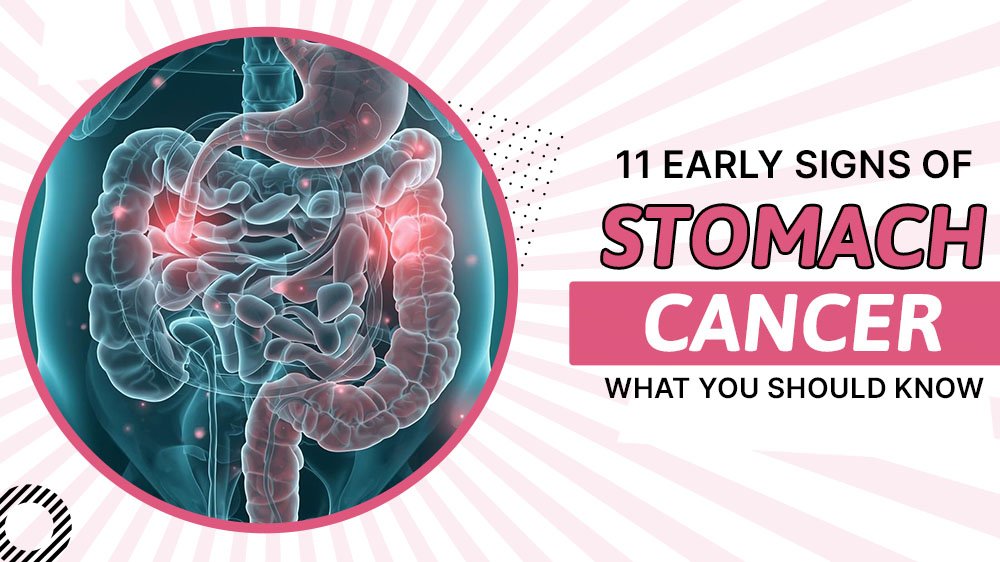
Most people tend to ignore common stomach problems like acidity, bloating, and indigestion. These symptoms may seem normal, but sometimes they can be early signs of a more serious condition. Stomach cancer, also known as gastric cancer, often develops slowly and quietly, with symptoms that are easy to overlook in the beginning.
Because of this, many cases are diagnosed at a later stage, when treatment becomes more difficult. Recognizing the early signs can make a big difference in treatment and recovery. In this blog, Dr. Pooja Babbar, a Cancer Specialist in Gurgaon, shares important insights into 11 warning signs of stomach cancer that should not be ignored.
What is Stomach Cancer?
Stomach cancer develops through the growth of abnormal cells, which spread through the stomach's inner lining. The disease advances at a slow pace which causes its initial symptoms to resemble regular stomach problems. The identical symptoms between these two conditions cause people to overlook their initial stomach cancer symptoms, which results in delayed cancer diagnosis.
11 Early Signs of Stomach Cancer
Learning about these symptoms in depth will aid you in identifying any early signs and taking immediate action on them:
1. Frequent Indigestion
It is quite common to have indigestion occasionally, but having it frequently even when you have not had any heavy meal can indicate something serious. Persistent indigestion that does not respond to medicines can be considered an early sign of a stomach tumor.
2. Feeling of Early Satiety
If you begin feeling full immediately after taking only a small bite of food, this can be indicative that your stomach has some problems.
3. Unexpected Weight Loss
Weight loss without the help of diet and exercise needs to be taken seriously. This is because the loss of appetite and the reaction of the body towards cancer cells could result in unexpected weight loss.
4. Persistent Pain in the Stomach Area
A minor and continuous pain in the stomach area might imply irritation, infection or the development of tumors in that part of the body. Unlike ordinary stomach pains, this kind of pain does not easily disappear.
5. Feeling Sick or Being Vomited
Feeling sick or having vomiting problems without any apparent reason could mean irritation or blockage in the stomach wall.
6. Loss of appetite
Lack of appetite either abruptly or gradually may appear in the early stages of cancer and most patients remember it being one of the initial symptoms that went unnoticed.
7. Vomit or stool with blood
It is another alarming sign associated with the disease. Coffee-like vomit and black tarry stools usually suggest internal bleeding which is frequently accompanied by advanced stomach cancer symptoms.
8. Fatigue/weakness
Constant fatigue despite proper rest might result from anemia due to internal bleeding. It is often neglected but can play a significant role in diagnosing stomach cancer.
9. Bloated Feeling After Consuming Small Amounts of Food
A bloated feeling after having consumed even small amounts of food might suggest an irregular digestive process or a tumor blocking the normal passage of food.
10. Difficulty Swallowing
Swallowing becomes painful with advancing stages of this disease, and is most common where tumors interfere with the upper stomach part.
11. Continuous Heartburn/Acid Reflux
Heartburn experienced frequently, especially if it does not respond to common treatment for acidity, could be mistaken for acidity but may indicate early-stage gastric cancer.
Stomach Cancer Causes & Risk Factors
Understanding causes could help to pinpoint early risks. Not everyone suffering from those factors contracts cancer, but they increase the likelihood of it:
- H. pylori infection: the reason for most chronic gastritis
- smoking and alcohol
- Consumption of too many salty, smoked, or processed items in the diet
- family history of stomach tumor
- chronic gastritis and long-term acidity issues
- obesity and any unhealthy lifestyle
To be aware of these risks as well as the symptoms of a stomach tumor to have a better chance for early detection and prevention.
When Should You See a Doctor?
You should consult a specialist if:
- Symptoms persist for more than 2 weeks
- You experience unexplained weight loss
- There is blood in vomit or stool
- You have continuous stomach pain or discomfort
- Appetite loss or fatigue is affecting daily life
Early consultation leads to an accurate diagnosis which results in improved treatment results.
Conclusion
Stomach cancer often begins with symptoms that are easy to overlook, making early awareness extremely important. By paying attention to warning signs and seeking timely medical advice, the disease can be detected at an early stage, leading to better treatment outcomes and faster recovery.
It is important to consult an experienced oncologist for accurate diagnosis and proper treatment. Dr. Pooja Babbar, one of the best oncologists in Gurgaon, provides expert guidance and personalized care to help patients with early detection and effective cancer management. Early intervention not only improves survival chances but also ensures more effective and less complex treatment.


