
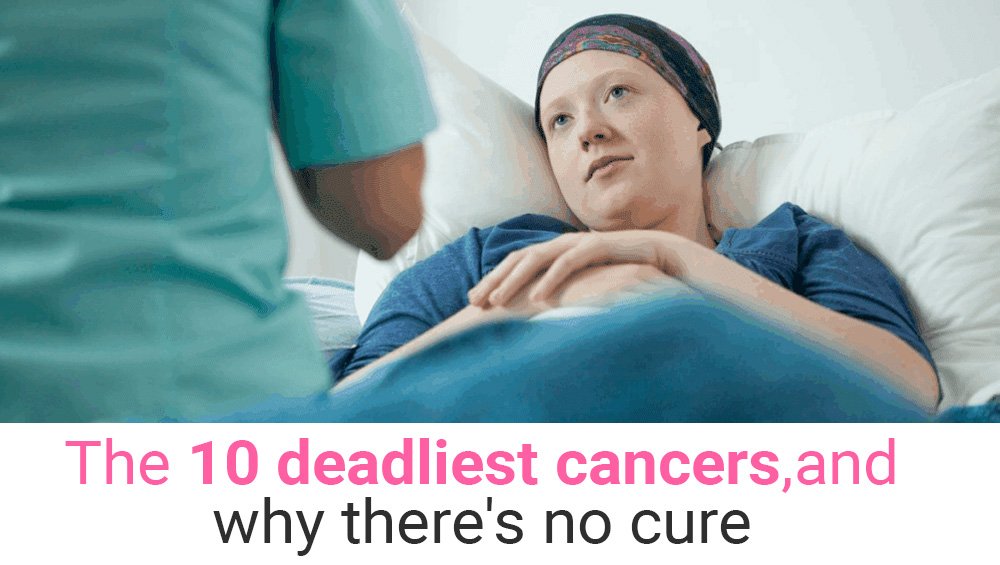
The term cancer is immediately associated with fear, confusion, and a lot of questions. It is common for people to look up the most lethal type of cancer or the one that cannot be cured as a means of understanding this very complicated disease. However, cancer is not an isolated disease but rather a group of over 200 different conditions that each have their unique way of acting in the body. For this reason, finding one cure for all types of cancer is still a major challenge in the field of medicine.
In this article, we will discuss the cancer with the lowest survival rates, the reasons for the absence of a universal cure, and the importance of getting the best medical oncologist in Gurgaon for diagnosis, treatment, and long-term results.
What Is the Deadliest Cancer? Understanding Survival Rates
Whenever individuals question what the most lethal cancer is, the reply is not automatically the cancer that has the largest number of cases. On the contrary, "deadliest" mostly alludes to the cancers that have the lowest five-year survival rates, very rapid progression, late symptom appearance, or very low response to the treatment.
Here are some of the cancers with the lowest survival rates:
-
Pancreatic Cancer - This cancer is frequently referred to as the deadliest because its survival rate is the lowest. The disease's absence of symptoms in its early stages usually results in a diagnosis being made very late.
-
Esophageal Cancer - Very aggressive and usually diagnosed in a very late stage.
-
Liver Cancer – Usually associated with chronic liver disease and develops quickly.
-
Lung Cancer – The most frequent cause of all cancer deaths globally, mostly due to the late appearance of the symptoms and limited early screening.
-
Stomach Cancer - A slowly developing tumor but mostly detected very late in patients.
-
Brain Cancer (Glioblastoma) - Very aggressive and with a very limited responsive treatment.
-
Gallbladder Cancer - The very subtle symptoms make the early detection really difficult.
-
Ovarian Cancer - Dubbed as the “silent killer” due to the general nature of its early symptoms.
-
Mesothelioma – Firmly associated with asbestos and very aggressive.
-
Acute Myeloid Leukemia (AML) - A rapidly progressing blood cancer.
These types of cancers are thought to be among the most destructive because they develop rapidly and spread quickly. They also frequently do not have efficient early screening tools. Understanding these patterns will help families and patients take the right next steps.
Which Cancer Is Not Curable?
The question that lots of people still ask is which cancer is the one that can't be cured. The reality is not straightforward. A few cancers, particularly if found early, are very much treatable, and sufferers can live for many years, leading a healthy life even after the therapy. However, some cancers that reach stage 4 in particular are usually not curable in the conventional way of totally exterminating all cancer cells in the body.
Finding one universal cure is highly complicated for the following reasons:
1. Every Cancer Is a Separate Biological Case
The tumors of two patients with identical diagnoses may even still exhibit different properties. The continuous mutation of cancer cells makes it impossible to come up with a single treatment that works for all.
2. The Majority of Mortally Dangerous Cancers Are Discreet in Their Spread
Pancreatic, liver, and ovarian cancers are among those that rarely exhibit early symptoms. In cases when patients do eventually recognize the signs, the cancer might have already disseminated to other organs (metastasis), thus making removal much more difficult.
3. Treatment Resistance Is a Major Challenge
The ability of cancer cells to learn and become resistant to the treatment methods used on them is a major drawback in the fight against cancer. The disease may make use of its adaptability to cause the treatment that was initially effective to become ineffective later on.
4. Cure vs. Control
In modern practice, while doctors are still aiming for a complete cancer cure, they also focus on the aspect of cancer management, treating it like a chronic disease. Through advanced therapies such as targeting, immunotherapy, robotic surgery, and personalized medicine, the life expectancy of many patients has significantly increased even when they have malignant tumors that were once thought to be unresponsive to treatment.
The answer to whether cancer can be treated is dependent upon the severity, type of tumor, genetics, and treatment responses. However, the field of medicine is evolving faster than ever.
Finding the Best Medical Oncologist in Gurgaon
In the case of the most lethal cancer types or when looking for an unmistakable direction, expert help is essential. The decision of the best medical oncologist in Gurgaon allows patients to be treated with high-tech diagnostics, custom therapy, and constant care.
Here’s what to look for:
1. Specialized Experience
Select an oncologist who has experience with the particular cancer that you or someone close to you is suffering from.
2. Hospital Infrastructure
The ideal hospital would include modern equipment as well as experts in cancer and modern radiation equipment, along with access to therapies such as immunotherapy and targeted therapies.
3. Patient Feedback & Transparency
Try to find patient testimonies, suggestions, and open talks with the physician.
Conclusion & Hope for the Future
Knowing the most deadly cancer or the one that can never be cured allows patients to take more defined actions; however, it still serves as a reminder that cancer treatment is developing daily. Hence, the living with cancer process can be considerably altered by the combination of early detection, proper treatment, and professional advice.
In the case of patients looking for the best medical oncologist in Gurgaon then they can trust Dr. Pooja Babbar, who has more than 15 years of experience and provides thorough diagnosis, kind assistance, and state-of-the-art treatment options.


